

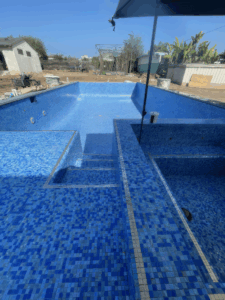
 Swimming pools are a quintessential part of many homes, offering recreation, relaxation, and a beautiful focal point. When it comes to finishing your pool’s interior, two primary options stand out: plaster and tile. While plaster has been a long-standing tradition, more and more homeowners are discovering the significant advantages of opting for a tiled pool.
Here’s why tiling your pool often outweighs the benefits of plastering:
The Enduring Beauty and Versatility of Tile
One of the most immediate and striking differences between a tiled and plastered pool is aesthetics. Plaster, while offering a clean, uniform look initially, can be somewhat limiting in terms of design. Over time, it can also show stains, mottling, and general wear and tear, diminishing its original appeal.
Tile, on the other hand, offers an unparalleled level of design flexibility and enduring beauty:
- Vast Design Possibilities: From classic mosaics to sleek, modern large-format tiles, the options are virtually endless. You can create intricate patterns, incorporate vibrant colors, or choose subtle shades to complement your landscape and home’s architecture. This allows for a truly custom and personalized look that plaster simply cannot achieve.
- Luxurious Appeal: There’s an undeniable sense of luxury and sophistication that comes with a tiled pool. The reflective qualities of the tile, especially under sunlight, can create stunning visual effects, making your pool a true masterpiece.
- Consistent Color and Finish: Unlike plaster, which can sometimes cure unevenly leading to color variations, tile offers a consistent and uniform finish across the entire pool surface.
Superior Durability and Longevity
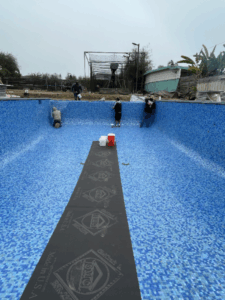 Perhaps the most compelling argument for tiling your pool is its superior durability and lifespan compared to plaster.
- Resistance to Chemicals and Stains: Pool chemicals, while necessary, can be harsh on plaster over time, leading to degradation and staining. Tile, especially porcelain or glass tile, is far more resistant to chemical etching and discoloration. This means your pool will retain its vibrant look for much longer.
- Reduced Wear and Tear: Plaster is a cement-based product, making it susceptible to chipping, cracking, and erosion over time, especially with heavy use. Tiles are incredibly durable and designed to withstand constant water exposure and temperature fluctuations without breaking down.
- Longer Lifespan, Less Frequent Replacements: While the initial investment for tiling is higher, the extended lifespan of a tiled pool often makes it more cost-effective in the long run. Plaster typically needs to be refinished every 7-10 years, whereas a properly installed tile finish can last 20-30 years or even longer with good maintenance. This significantly reduces the long-term costs and inconvenience of draining and replastering your pool.
Easier Maintenance and Enhanced Hygiene
Maintaining a tiled pool is generally a more straightforward and hygienic process than maintaining a plastered one.
- Smoother, Less Porous Surface: Plaster, by its nature, is a porous material. This porosity can make it a breeding ground for algae and other microorganisms, requiring more frequent and aggressive cleaning. Tile, with its smooth, non-porous surface, is much less hospitable to algae growth, making cleaning easier and more effective.
- Reduced Staining: As mentioned, tile is highly resistant to stains from common pool contaminants like suntan lotion, oils, and even rust. This means fewer unsightly marks and less effort spent scrubbing.
- Less Chemical Dependence for Cleaning: Because algae struggles to adhere to tile, you might find yourself needing to use fewer harsh chemicals for routine cleaning and algae prevention, contributing to a more pleasant swimming experience and potentially saving on chemical costs.
The Investment: Long-Term Value
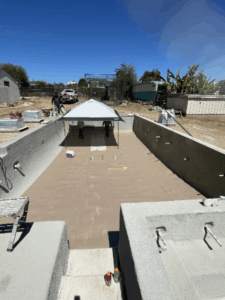 It’s true that the upfront cost of tiling a pool is significantly higher than plastering. However, it’s crucial to view this as a long-term investment. When you factor in the extended lifespan, reduced maintenance, and the enhanced aesthetic appeal that contributes to your home’s overall value, a tiled pool often proves to be the more economically sound choice over the lifetime of your pool.
Conclusion
While plaster remains a viable option for pool finishes, the numerous merits of tiling — from its unparalleled beauty and design versatility to its superior durability, longevity, and ease of maintenance — make it an increasingly popular and ultimately more rewarding choice for many homeowners. If you’re looking to create a truly stunning, long-lasting, and low-maintenance swimming pool that will be a source of enjoyment for decades to come, investing in tile is a decision you won’t regret.